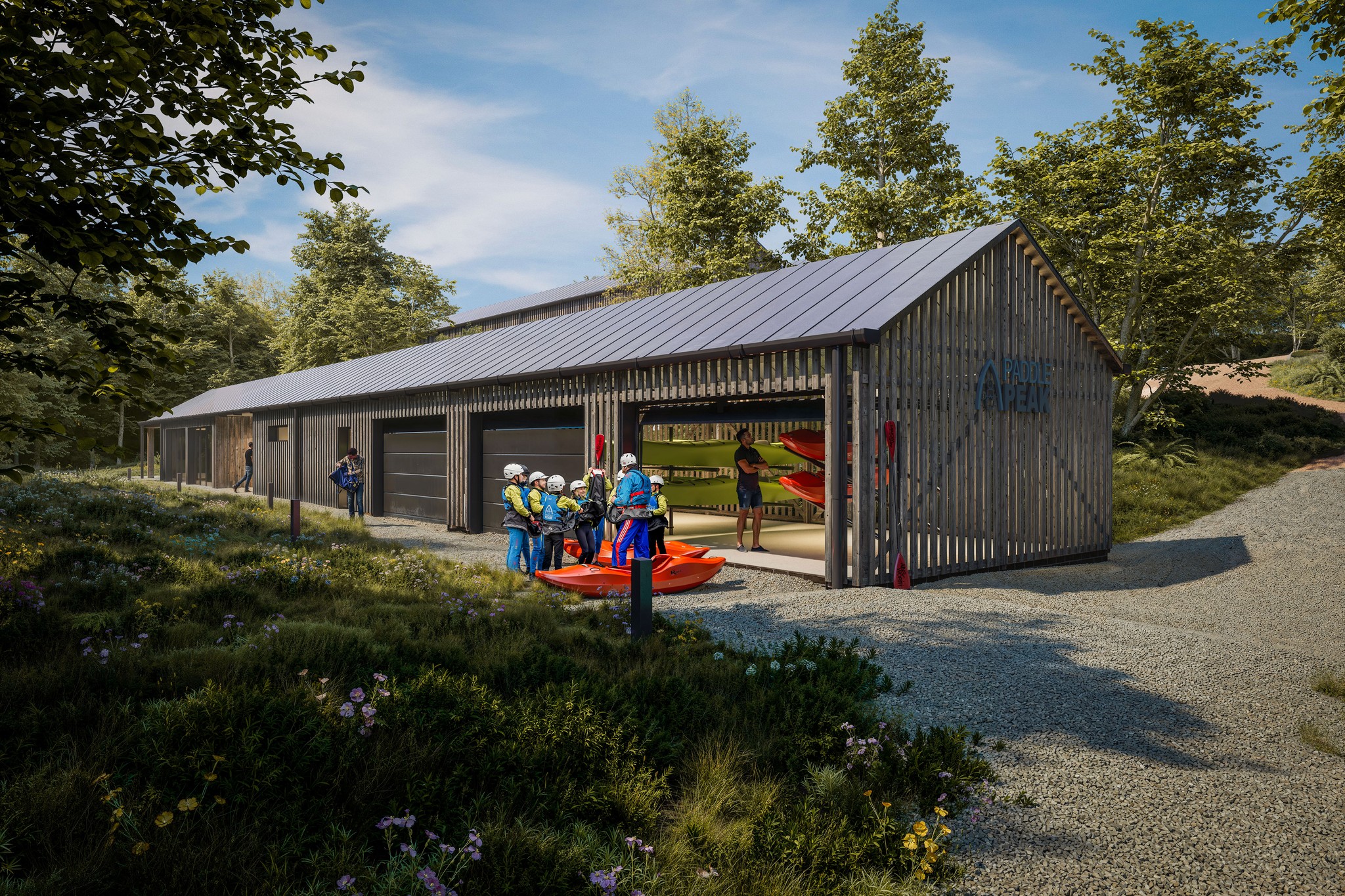
Studio
5 May 2026
The 'Four by Three' Way
Every project I take on follows the same process, from the first brief through to final delivery. It's designed to keep things clear, collaborative and on track, so the imagery we produce together does exactly what it needs to do.
Category
Studio
Reading Time
8 Min
Date
The 'Four by Three' Way
Every project follows the same process, whether you're a returning client or we're working together for the first time. Here's how I take a concept and turn it into imagery that does the job it needs to do.
1: Brief & Assessment
The first conversation is the most important one. I want to understand what you're trying to achieve, not just what the building looks like, but what the imagery needs to communicate and who it needs to speak to.
We'll cover the information and assets you have available, key milestones and deadlines, and who's involved in the sign-off process. From there I'll suggest the views and image types that will best serve the project, whether that's the scheme in context, architectural detail, interior atmosphere, or a mix of all three.
I'll follow up with a fee proposal and a clear list of proposed CGIs, organised around the themes that matter most for your brief.
2: Project Setup
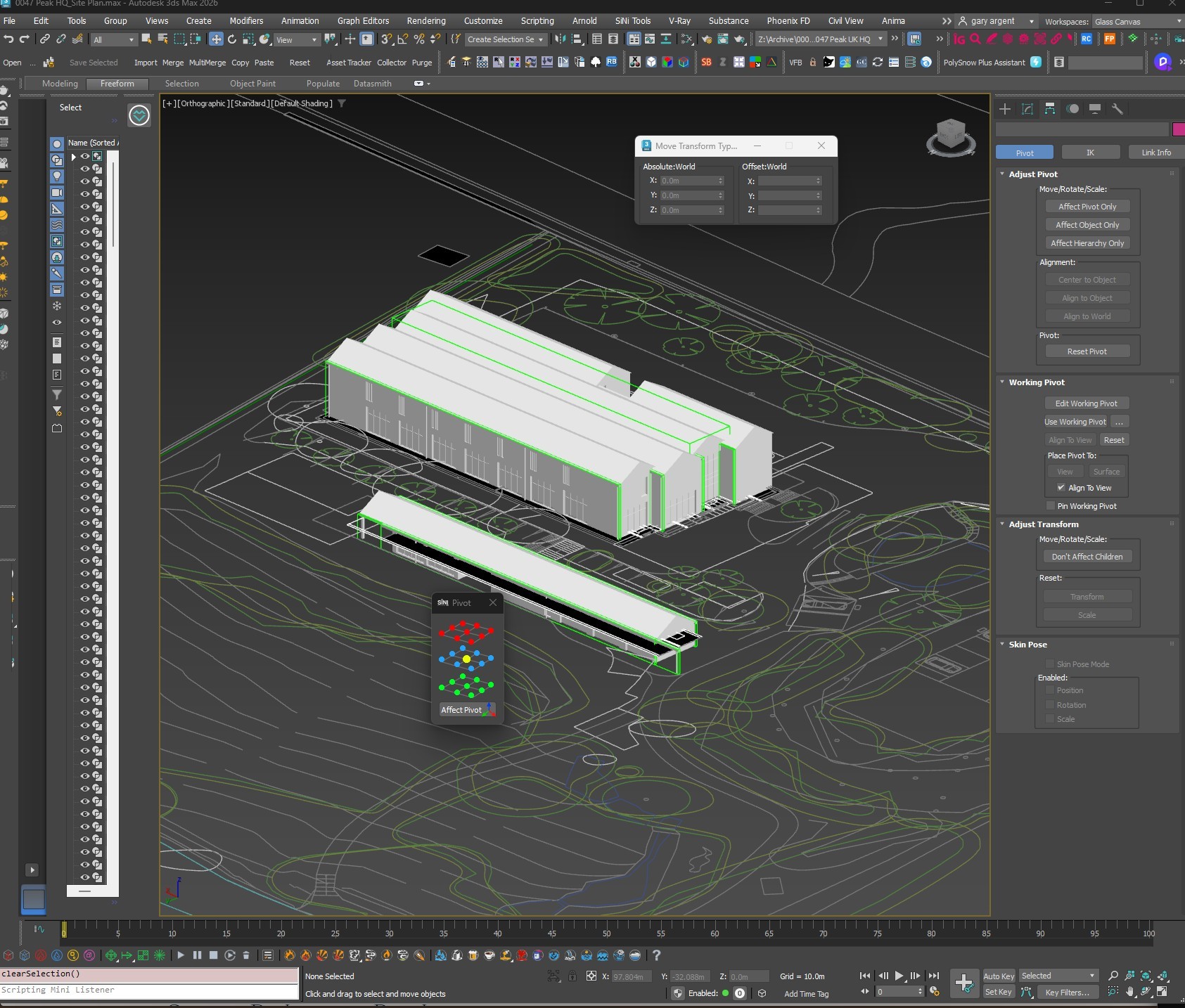
With drawings, models or CAD data from you, I begin building or importing the 3D scene. This is where the technical foundation is laid, getting the geometry right, establishing accurate scale, and setting up the environment.
I'll explore a range of camera positions informed by the brief and the research, identifying the angles that have the most potential before any significant render time is committed.
3: Preliminary Renders
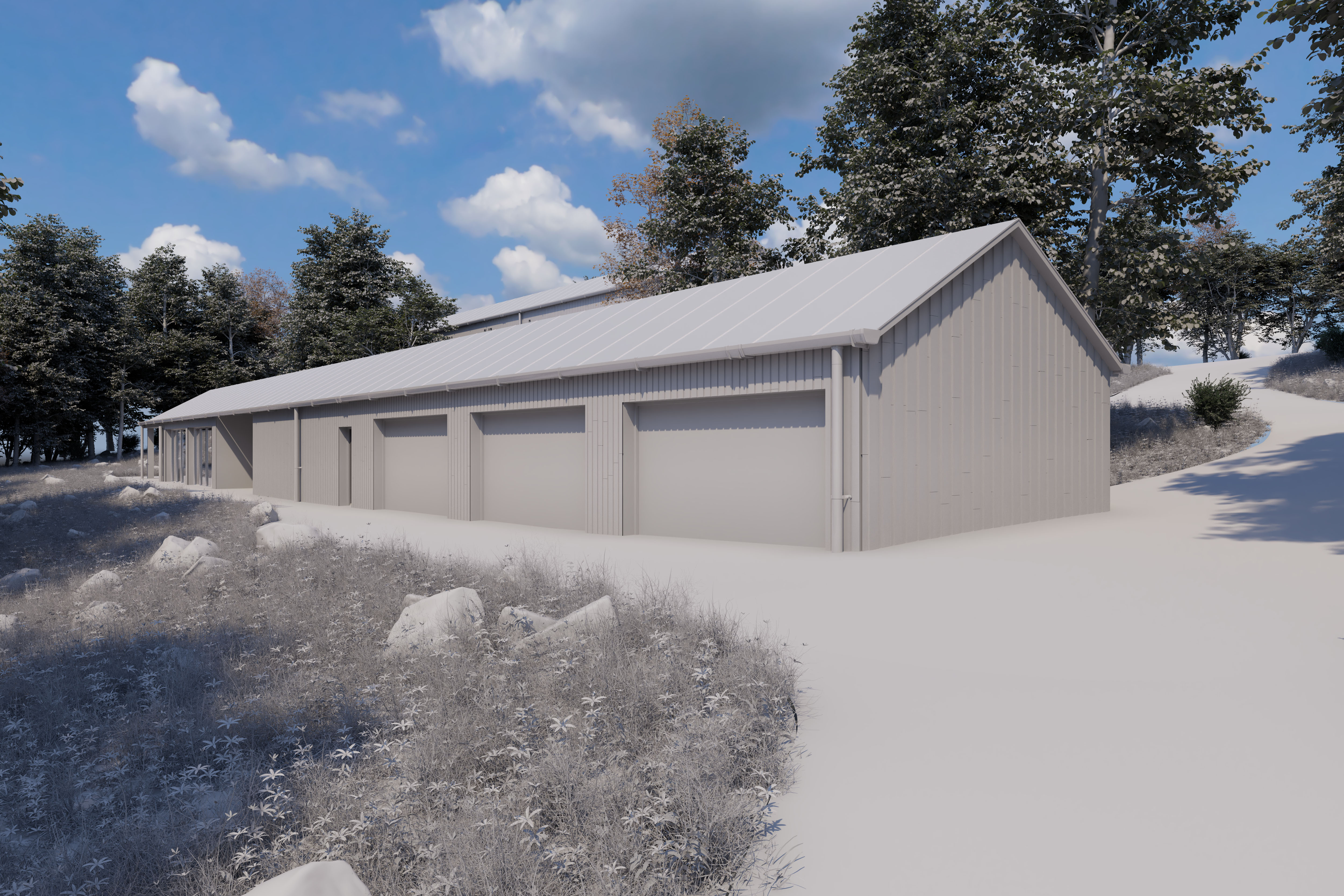
Early-stage renders, sometimes loose and compositional, sometimes more developed depending on the project, give us something concrete to react to. I'll present a range of viewpoint options and we'll talk through what's working and what isn't.
View choices at this stage are always a starting point. They evolve as the detail, population and atmosphere develop. That's expected and normal, the best outcome usually comes from staying flexible through this part of the process.
4: Draft Images
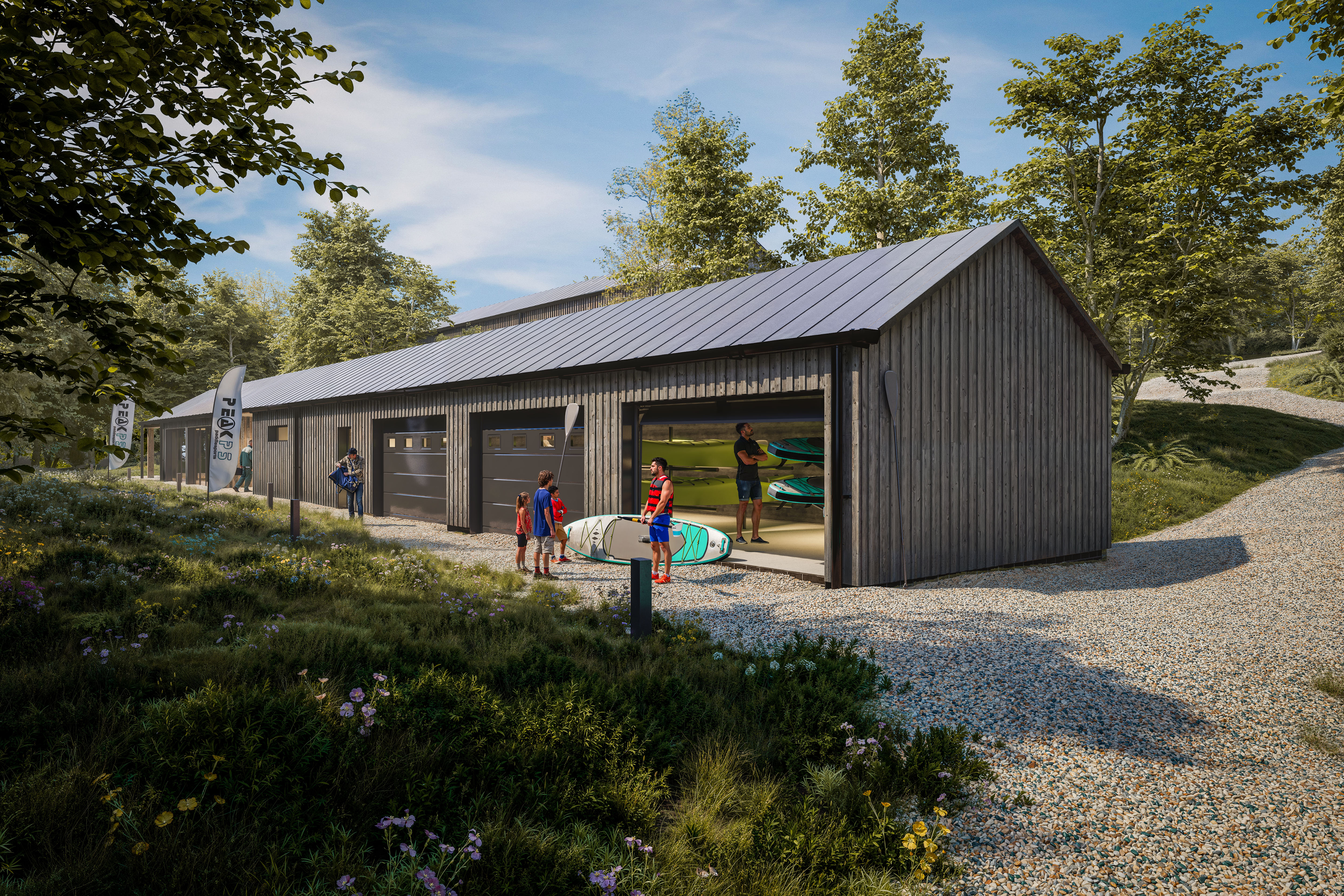
The first full draft brings everything together: detailing, materials, people, lighting, atmosphere and post-production. It's production-ready enough to give a genuine sense of the final result, and detailed enough for meaningful feedback.
Depending on the project scope and timeline, there may be several agreed draft milestones before we reach the final sign-off stage.
5: Feedback & Revisions
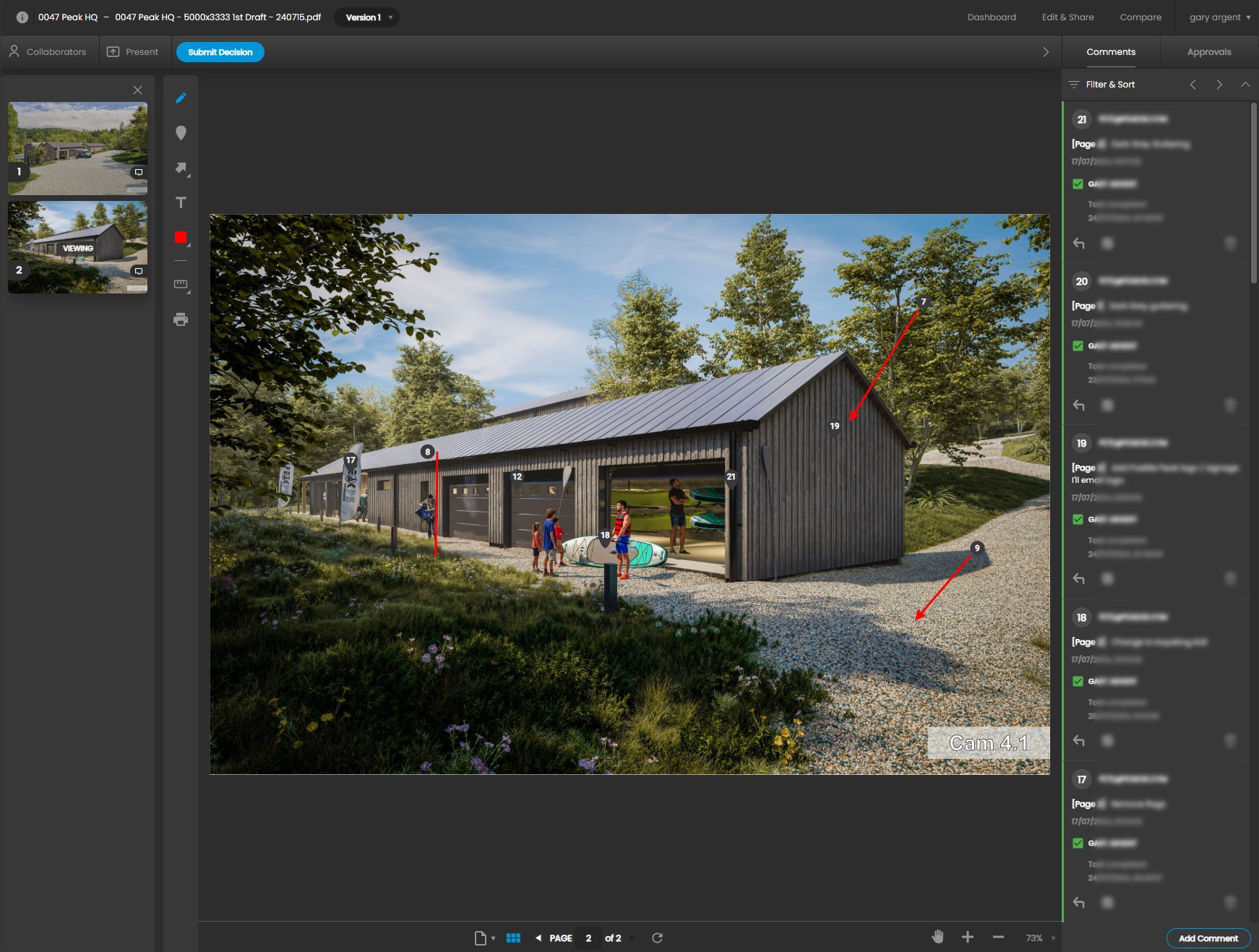
I use an online commenting platform to keep feedback organised and easy to track, no long email chains, no lost threads. You mark up directly on the image, I work through the comments, and we iterate until the result is right.
Further rounds are produced until we reach the final approved version.
6: Final Delivery
Once you're happy, I'll send the finished images in whatever format you need, typically high-resolution JPEGs and TIFFs. Any specific delivery requirements, just let me know upfront and I'll make sure the final package is ready to use straight away.
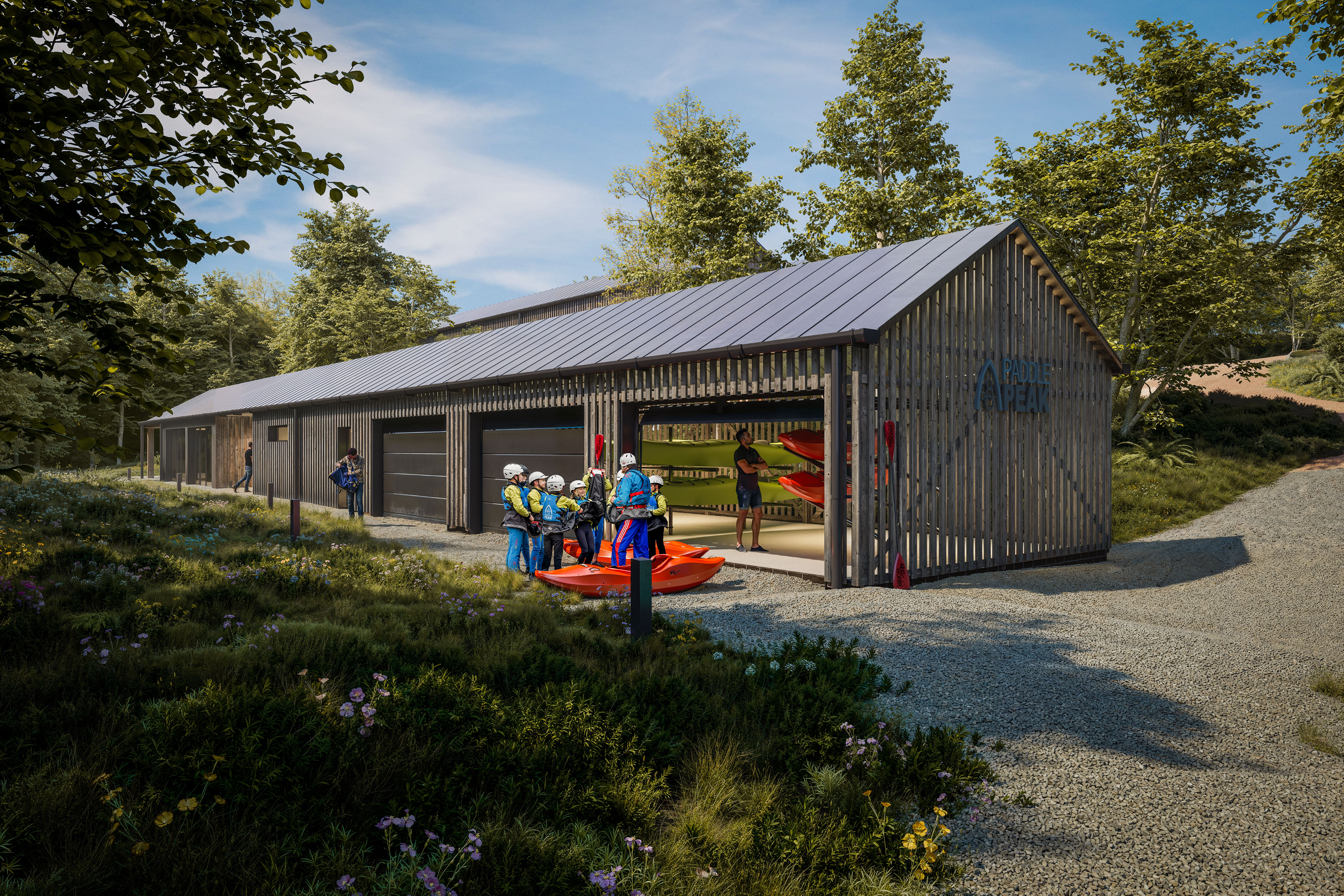
The process is thorough because the work needs to hold up, in planning applications, on marketing material, or in front of a client. If you'd like to talk through a project, get in touch.
Related Articles